Source Contemporary Rgb Acrylic Aquarium for Home and Office
Find 22 contemporary rgb acrylic aquarium options from verified Chinese manufacturers. Compare specifications including thickness, material purity, and customization features to select the ideal transparent tank for residential or commercial display needs; compare the available evidence and request quotations based on your requirements.
Key considerations
Products List


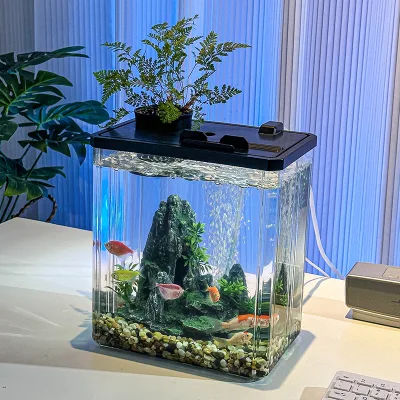
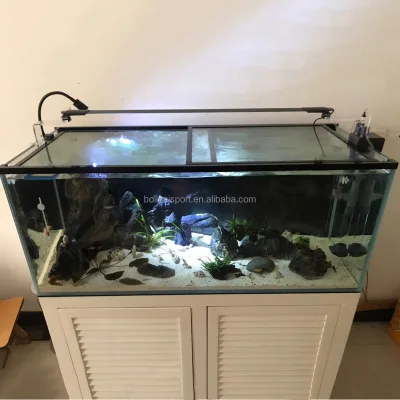

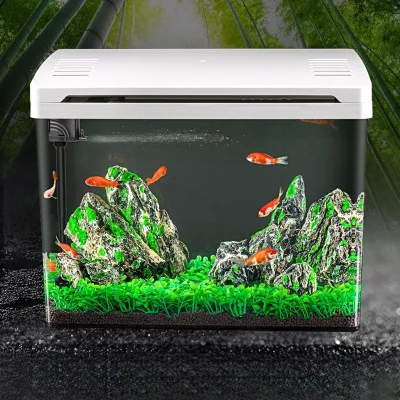
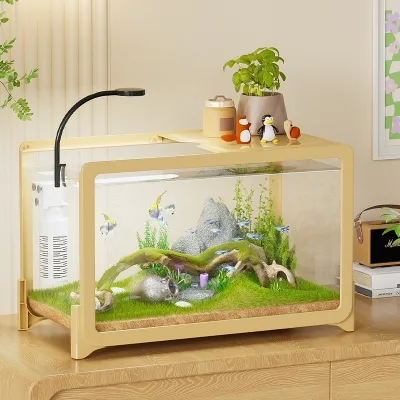
Comprehensive Sourcing Guide
Contemporary RGB Acrylic Aquarium Sourcing Guide
Procuring contemporary RGB acrylic aquariums requires distinguishing between finished tank units and the raw engineering sheets used for custom fabrication. The market data indicates a primary focus on large-scale, square-shaped acrylic structures sourced from Jiangsu and Guangdong provinces in China. Buyers must recognize that while some listings describe complete units with integrated electric heaters and fluorescent lighting, the core material specification often centers on 100% virgin lucite sheets designed for high-clarity, transparent applications.
The sourcing strategy must account for the variability in product definitions, where "aquarium" may refer to the final assembled tank or the raw plexiglass sheet with UV coating protection. Verification of the specific product model is essential, as listings range from standard engineering plastic sheets to fully customized aquariums with thicknesses spanning from 1.8mm up to 500mm. This distinction dictates whether the buyer is purchasing a direct replacement unit or a raw material component for a bespoke fabrication project.
Product Scope and Observed Listing Signals
Buyers should first verify the physical condition and customization status of the inventory, as the observed listings consistently specify "New" condition with "Customized" availability. The product scope encompasses large aquariums featuring a transparent or clear color profile, often described as having top-glass quality or excellent resistance to weather. It is critical to confirm whether the supplier provides the complete assembly, including rockery decorations and specific lighting types like fluorescent lamps, or if the offering is limited to the raw acrylic material itself.
The observed price range of 3.39 to 200 USD suggests a significant variance between raw sheet pricing and fully assembled, custom-engineered units. Minimum order quantities fluctuate between 1 and 500 units, indicating flexibility for both small-scale custom projects and larger commercial installations. Procurement teams must scrutinize the packing specifications, which vary from simple PE film masking to robust export standards involving iron pallets and Kt board reinforcement, ensuring the selected option matches the logistical requirements of the destination.
Technical Specifications to Verify
Technical due diligence must focus on the mechanical properties of the acrylic, specifically the tensile strength which varies between 51-80 MPa and 81-130 MPa across different supplier listings. The density is consistently noted around 1.2 kg/cm³, and water absorption rates range from 0.05% to 0.3%, which are critical metrics for ensuring structural integrity in submerged environments. Buyers must request specific test data for the exact batch to confirm these values, as the variation in tensile strength suggests differences in material grade or manufacturing processes.
Thickness specifications present another critical verification point, with observed ranges extending from 1.8mm to 300mm and 20mm to 500mm depending on the specific product model. The light transmission rate is a key performance indicator, with some listings claiming 93% clarity, which is vital for the aesthetic and functional success of RGB lighting integration. Additionally, the contraction percentage should be verified to be under 0.4% to prevent warping, and the surface finish must be confirmed as having high hardness and gloss to maintain the visual appeal of the contemporary design.
Compliance and Safety Documentation
Safety compliance for aquariums involves verifying that the materials meet international standards for food contact and environmental safety, particularly given the use of 100% virgin raw materials. The observed certifications include SGS, RoHS, and CE, which are essential for validating that the acrylic sheets and any integrated electrical components like electric heaters are free from harmful substances. Buyers should explicitly request current certification documents for the specific model being purchased, as the "customized" standard noted in the data implies that compliance may vary by production run.
Documentation must also cover the safety of the electrical components integrated into the system, such as the fluorescent lamps and electric heaters mentioned in the product attributes. While the acrylic material itself is noted for excellent weather resistance and UV coating protection, the electrical safety of the heating and lighting systems requires separate validation against local import regulations. Procurement teams should ensure that the supplier provides a comprehensive compliance dossier that addresses both the chemical safety of the plastic and the electrical safety of the auxiliary equipment.
Cost Drivers and Commercial Terms
The commercial landscape for these products is driven by the raw material cost of 100% pure lucite and the complexity of the customization process, which ranges from simple sheet cutting to full tank assembly. The observed "Factory Price" and "Competitive Price" attributes suggest that margins are influenced by the scale of the order and the specific thickness required, with thicker sheets commanding higher costs due to material volume and processing time. Buyers should analyze the cost per unit thickness to understand the true value proposition, as the wide MOQ range allows for negotiation leverage based on volume commitments.
Payment terms and logistics costs are significant factors, given the heavy nature of large acrylic aquariums and the specific packing requirements involving iron pallets and kraft paper. The origin locations in Jiangsu and Guangdong offer different logistical advantages, and the lead time is likely influenced by the "customized" nature of the standard, which may require additional production time compared to stock items. Buyers must clarify whether the quoted price includes the specialized packaging needed to prevent surface scratches during transit, as the PE film masking on both sides is a standard but critical protective measure.
Supplier Qualification and Quality Control
Supplier qualification should prioritize manufacturers with a proven track record in producing large-scale acrylic structures, as the thickness range up to 500mm requires advanced fabrication capabilities. The presence of multiple origin locations, including Jiangsu and Guangdong, indicates a competitive supply chain, but buyers must verify the specific factory's capacity to handle the "customized" standard without compromising the 93% light transmission or surface gloss. Quality control protocols must include checks for the 1.2 density consistency and the 0.4% contraction limit to ensure the final product maintains its square shape and structural stability.
Inspection procedures should focus on the surface finish and the integrity of the UV coating protection, which are essential for long-term durability in both indoor and outdoor applications. Buyers should request pre-shipment inspection reports that specifically test the tensile strength and water absorption rates of the delivered batch, as these properties can vary between the 51-80 MPa and 81-130 MPa ranges observed in the market. Establishing a clear quality agreement that defines acceptable tolerances for thickness and clarity is necessary to prevent disputes over the final product's performance.
Long-Term Procurement Checks
Long-term procurement success depends on establishing a reliable supply chain for replacement parts and maintenance materials, such as specific electric heaters or fluorescent lamps that match the original specifications. Since the product is often customized, buyers must ensure the supplier can provide consistent raw materials that match the original density and tensile strength for future repairs or expansions. The "customized" standard implies that future orders may require re-verification of the 1220*2440mm or other standard sheet sizes to ensure compatibility with existing tank structures.
Sustainability and environmental impact should be monitored over time, particularly regarding the "Eco-Friendly" attribute and the use of 100% virgin materials. Buyers should periodically review the supplier's adherence to RoHS and CE standards to ensure ongoing compliance with evolving environmental regulations. Additionally, maintaining a relationship with the supplier for updates on new UV coating technologies or improved surface hardness processes will help ensure the aquariums remain competitive and durable in the long term.
FAQs
What material is used for contemporary rgb acrylic aquariums?
These aquariums are crafted from 100% virgin acrylic or pure Lucite sheets. This material ensures high clarity and durability for long-term aquatic use. The sheets are available in transparent or clear finishes, providing excellent light transmission for viewing fish. The material is eco-friendly and resistant to weathering, making it suitable for various environments.
Can I customize the size of an acrylic aquarium?
Yes, customization is available for size and shape. Aquariums can be manufactured in large sizes with square or other custom shapes. Thickness options range from 1.8mm to 500mm, allowing for structural integrity in larger tanks. Buyers can specify exact dimensions to fit specific spaces, ensuring a perfect fit for home or commercial displays.
What certifications do these acrylic aquarium sheets have?
The acrylic sheets typically hold SGS, RoHS, and CE certifications. These standards ensure the material meets international safety and quality requirements. The product is made from 100% virgin raw material, guaranteeing purity and performance. Buyers can request documentation to verify compliance with specific regional regulations before placing bulk orders.
How is the acrylic aquarium packaged for shipping?
Packaging includes PE film masking on both sides to protect the surface. Sheets are secured with KT board and angle protectors to prevent damage. Export standard cartons, iron pallets, and kraft paper are also used for robust protection. This multi-layer approach ensures the high-gloss surface remains scratch-free during transit from China to global destinations.
What is the light transmission rate of the acrylic?
The acrylic offers a light transmission rate of 93%. This high transparency allows for clear visibility of aquatic life and decorations. The material maintains its clarity over time without yellowing. Combined with UV coating protection, the sheets ensure long-lasting brightness and aesthetic appeal for contemporary aquarium designs.
What is the density of the acrylic material?
The density of the acrylic material is 1.2 kg/cm3. This specific gravity contributes to the material's strength and stability. It ensures the aquarium walls can withstand water pressure without excessive thickness. The consistent density across the sheet guarantees uniform performance and structural reliability for large-scale aquarium constructions.